
Best Laser Pointer for Burning (2026): Real Power, Stability & What Actually Works
A complete guide to choosing the best laser pointer for burning, focusing on real output, beam stability, safety risks, and why most high-power lasers are mislabeled. Learn what actually matters before buying.
Image Gallery
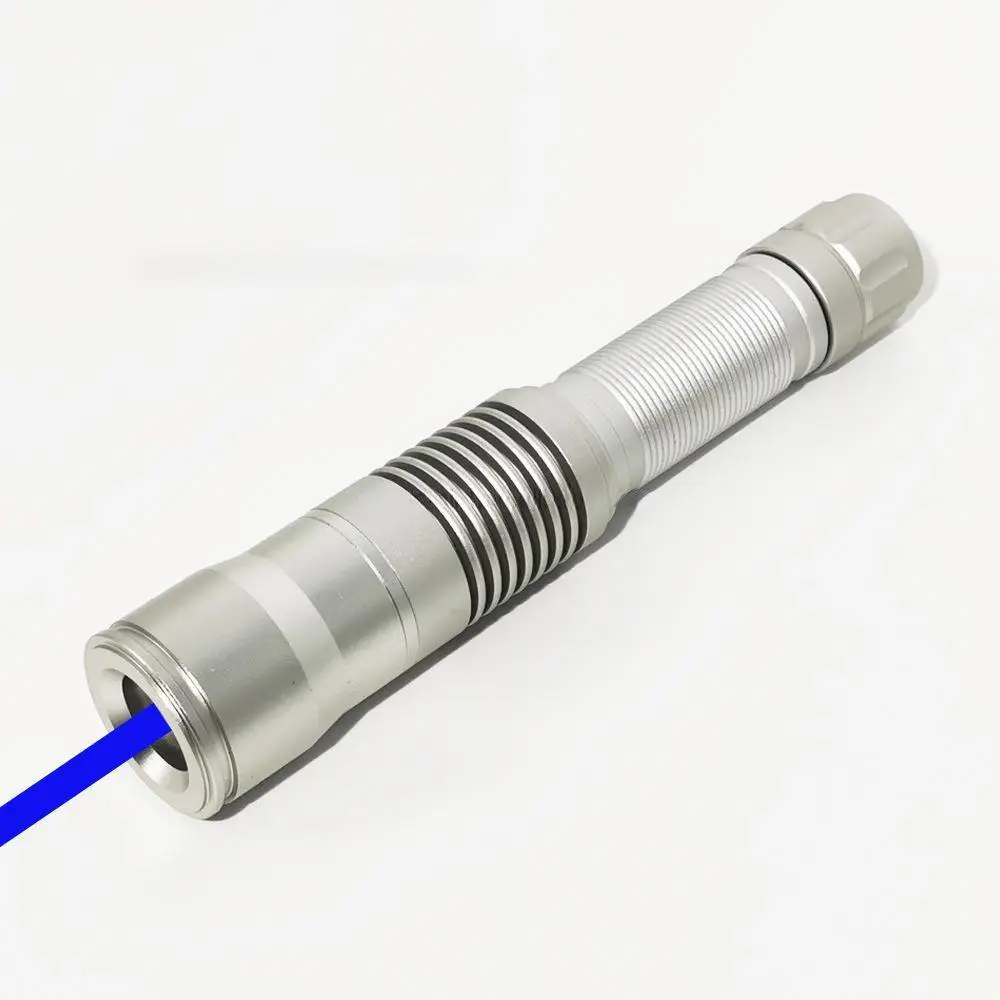
Most people searching for the best laser pointer for burning are not looking for a toy.
They are trying to figure out one thing:
👉 Why some lasers actually perform as expected — while others fail completely.
This guide focuses on real-world performance, not marketing claims.
What “Burning Performance” Actually Depends On
Despite what most product pages suggest, performance is not determined by power alone.
It depends on:
- Beam focus precision
- Output stability over time
- Optical quality
- Surface absorption characteristics
👉 This explains why two lasers with similar specs can behave very differently.
If you want a deeper breakdown of how beam physics works, see:
👉 https://laserpointerhub.com/blog/inside-the-beam-how-does-high-power-laser-pointer-work
The Reality: Most “High Power” Lasers Are Mislabeled
This is not speculation — it’s been tested.
According to the National Institute of Standards and Technology (NIST):
- Nearly 90% of tested green lasers exceeded safety limits
- Some devices exceeded legal limits by 10× or more
(Source: https://www.nist.gov/news-events/news/2013/03/nist-tests-underscore-potential-hazards-green-laser-pointers)
👉 The biggest issue isn’t weak lasers.
👉 It’s unreliable and inconsistent output.
Many products use vague labels like:
- “<1000mW”
- “Class III” (without clarity)
These don’t reflect real performance.
Why Cheap Burning Lasers Fail in Real Use
Low-cost models typically suffer from:
- Poor thermal design
- Unstable drivers
- Low-quality batteries
Result:
- Output drops quickly
- Beam becomes inconsistent
- Device lifespan is short
👉 This is why experienced users prioritize thermal stability over peak numbers.
Related reading:
👉 https://laserpointerhub.com/blog/why-cheap-laser-pointers-burn-out-heat-sink
Blue vs Green vs Red: What Actually Matters
Many buyers focus on color — but the reality is more nuanced.
Blue (≈450nm)
- Higher energy density
- Better interaction with darker surfaces
- Common in performance-oriented systems
Green (≈520nm)
- Brighter to human vision
- Not necessarily stronger in energy concentration
- May involve IR leakage in low-quality units
Red (≈650nm)
- Lower perceived brightness
- Typically lower effective energy density
👉 Important:
- Brightness ≠ power
- Visibility ≠ effectiveness
Hidden Risk Most Buyers Ignore: Infrared Leakage
One of the most overlooked issues is invisible infrared radiation.
NIST found that some green laser devices emitted:
- Significant levels of invisible IR radiation
- Even when visible output seemed low
(Source: https://www.nist.gov/news-events/news/2010/08/beware-dim-laser-pointer-nist-researchers-measure-high-infrared-power)
Why this matters:
- 700–1400 nm is the retinal hazard region
- The eye can amplify energy up to 100,000×
(Source: https://www.icnirp.org/cms/upload/publications/ICNIRPLaser180gdl_2013_2020.pdf)
👉 A laser that looks weak can still be dangerous.
For a full safety breakdown, see:
👉 https://laserpointerhub.com/blog/the-complete-guide-to-laser-pointer-safety-protecting-eyes-kids-pets-and-more
What Actually Defines a High-Quality Laser System
Instead of chasing exaggerated specs, focus on:
1. Stable Output
Consistent performance matters more than peak spikes.
2. Thermal Management
Prevents rapid degradation and maintains beam quality.
3. Battery System
High-drain cells provide reliable current delivery.
4. Engineering Quality
Precision machining improves durability and handling.
Recommended High-Performance Laser (Premium Tier)
450nm Cobalt Blue Laser – Nichia Diode (B023)
👉 https://laserpointerhub.com/p-B023.html
This system is designed for users who care about real output stability and build quality.
Key Features:
- Genuine Nichia™ diode (stable 450nm output)
- CNC-machined aluminum housing
- Advanced thermal management system
- 21700 high-density battery (extended runtime)
- Hidden USB-C charging design
- OD4+ safety goggles included
Why it stands out:
👉 Stable beam performance instead of peak bursts
👉 Better heat dissipation than typical marketplace models
👉 Reliable long-term operation
Best suited for:
- Experienced users
- Outdoor and signaling applications
- Users prioritizing reliability over inflated specs
For thermal work on a budget, check our thermal laser picks under $200 — the B016 packs 6W into a pocket-sized body at $130–160.
For a different blue laser format, the G019 blue variant (450nm 4W, $209) adds a removable transparent beam tube for a dual-mode burning and visual experience.
Why Stability Matters More Than “Maximum Power”
Many listings focus on:
- “50000mW”
- “Most powerful laser”
- “Burn anything instantly”
But in real-world use:
👉 Stability determines performance
👉 Build quality determines lifespan
👉 A well-engineered 450nm system often outperforms poorly built “higher-rated” lasers.
Legal & Safety Considerations (Critical)
According to the FDA:
- Laser pointers marketed for general use are typically limited to ≤5 mW
(Source: https://www.fda.gov/radiation-emitting-products/laser-products-and-instruments/important-information-laser-pointer-manufacturers)
Higher-power devices fall into:
- Class 3B
- Class 4
These categories involve:
- Immediate eye hazard
- Potential skin and fire risk
👉 Key safety rules:
- Never aim at people or aircraft
- Always use protective eyewear
- Keep away from children
Final Verdict
The best laser pointer for burning is not defined by:
- The highest advertised number
- The cheapest high-power option
- The brightest visible beam
👉 It is defined by:
- Stable output
- Reliable thermal performance
- Accurate specifications
- Controlled and safe operation
Bottom Line
If you want real performance:
👉 Avoid exaggerated listings
👉 Focus on engineering quality
👉 Choose systems designed for stability
Recommended path: