
Cheap vs Expensive Laser Pointer: How to Choose the Right One Without Overpaying
Not sure if you should buy a cheap or expensive laser pointer? Discover the real differences—when low-cost models are smart, when it’s worth investing in premium, and how to choose the right laser pointer based on your needs, safety, and value.
Image Gallery
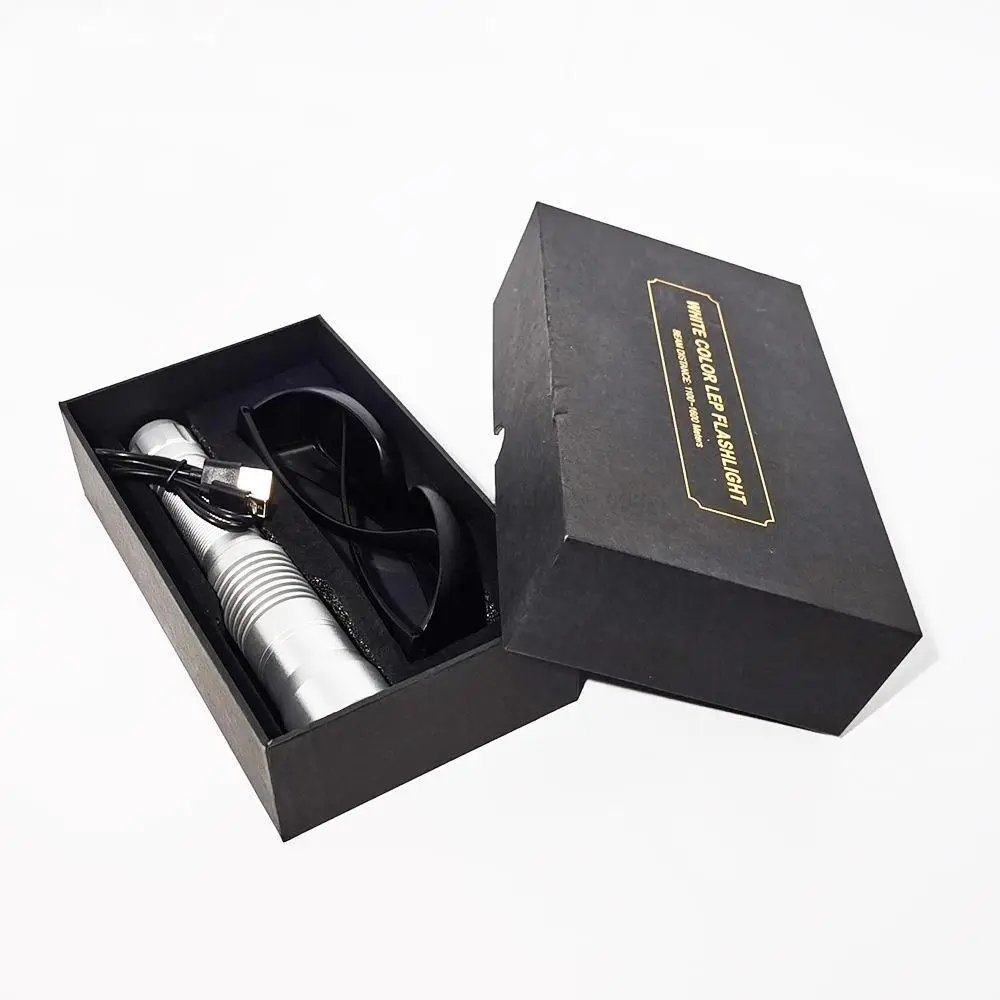
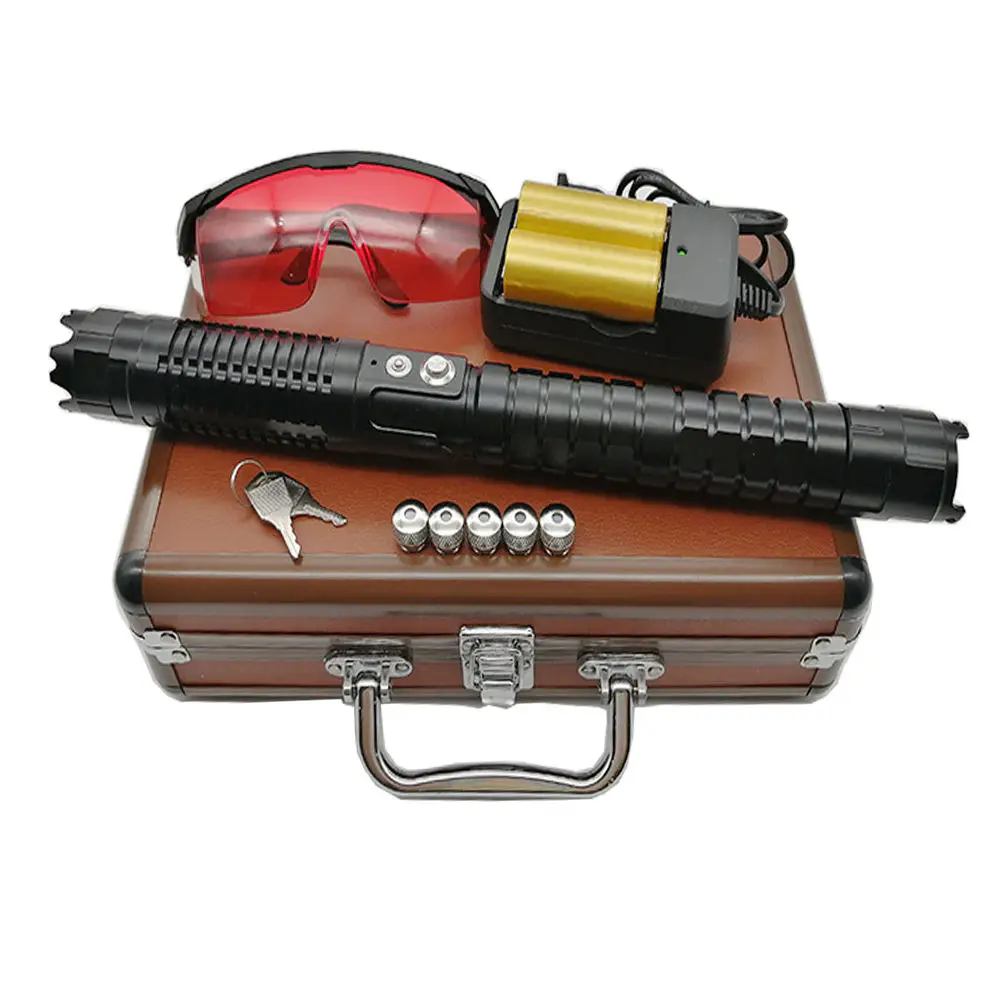
When it comes to buying a laser pointer, it’s tempting to ask: is it worth paying extra—or is cheap just as good?
The truth is, both cheap and expensive laser pointers have their place. Sometimes you want a safe, affordable way to explore the hobby or solve a simple problem. Other times, you need something more durable, precise, and engineered for specific tasks.
One is not “better”—they’re different tools for different needs. Let’s break down how to choose what’s right for you, using real-world data, trusted community voices, and expert recommendations.
Quick Take: Who Should Buy Cheap, Who Should Go Premium?
-
If you want to try laser pointers for the first time
(curious about star patterns, pets, or demonstrations):
👉 A budget model like B303, $27 offers great fun for a small price. -
If you need a mainstay for work, regular stargazing, or bird control
👉 Consider investing in a model like B017, $99 or B023, $219 for better consistency, safety, and support. -
If reliability is critical and usage is frequent or professional
👉 Top-tier models (B020, $278) deliver predictability, advanced safety, and precision.
In this guide:
- What do you really get for your money?
- Where cheap saves you—and when does it “cost”?
- Hidden details (safety, labeling, winter use) you need to know
1. Price is Only the Beginning: Core Differences
Most people think the difference is simply “brightness” or “how far it shines.” But community tests and NIST’s research show:
- A cheap laser can look impressively bright, thanks to human eye sensitivity (especially green light).
- But that doesn’t always mean it’s safer, more reliable, or better built.
Cheap Lasers: When “Basic” Is Exactly What You Need
✔ What they offer best:
- A low-risk way to check out the hobby.
“Is this fun for me or my pet?” Try a $27 option—if it’s not your thing, not much lost. - Affordable access to features like star pattern caps for night sky effects, or light pointing in classrooms.
- Small size, easy to carry—no need to “baby” the device at this price.
- For short-term uses, little or no hassle about batteries, charging, or maintenance.
✔ Typical buyers:
- First-time users
- People who are price-sensitive, or giving a simple gift
- Those who don't want to overthink
In fact, many community reviewers on Reddit or YouTube say it’s a smart way to “test the waters”—especially since even entry-level pointers can look amazing in the dark.
Cheap Lasers: What to Consider Upfront
No product is perfect at this tier, so managing expectations is key.
- You may see variability in output, or beam brightness that drops as batteries wear down
- Sometimes, power ratings on labels (“<5mW”) don’t reflect actual performance
(see YouTube testing here: some “cheap” units delivered up to 50x the labeled power) - Build quality and internal filtering can vary between units (inconsistent focus, dot shape, etc.)
- May be less reliable for sustained outdoor use (cold temperatures affect some models, e.g. green “DPSS” types)
2. What Paying More Actually Gets You
Paying more isn’t about “overkill”—it’s about confidence and control for when it really matters.
✔ Where premium really shines:
- Consistency and reliability: Each use feels the same—no guessing if it’ll flicker, misfire, or dim.
- Better engineering:
- True-to-label power ratings (what’s claimed is what you get)
- Optical quality (tighter beam, less divergence, precise focus)
- IR filtering—especially important if using green lasers around eyes, kids, or pets (see SPIE’s summary of IR risks)
- Safety documentation and after-sales support
- Performance in demanding environments; e.g., astronomy, bird deterrence, teaching large classrooms, or winter weather
Our real customer data:
Many users who start with cheap models naturally “graduate” to higher-end devices once they discover how useful (and fun!) pointers are in daily life.
3. Is Green Really “Better”—Or Just Looks Brighter?
Thanks to science, we know a 5mW green laser appears as bright as a 41mW red laser to the human eye. That’s why even entry-level green pointers can seem incredible.
- But remember: brightness is not all there is to safety or value
(green lasers in this price range may lack IR filtering, as discussed above).
For more on colors, see Green vs Blue vs Red: Beam Physics & Visibility.
4. Scenario Guide: Which Laser for Which User?
⭐ Beginner/Fun/Occasional Use
If you just want to experiment (star patterns, pet play, classroom),
consider B303, $27.
- Pros: Low cost, fun features, lightweight.
- Cons: May vary unit to unit; not built for years of rough usage.
🌌 Stargazing / Outdoor / Cold Weather
If you plan to point at the night sky regularly, use outdoors, or need reliability in cold:
consider B017, $99 (blue, stable) or
B023, $219 (green, excellent for bird deterrence).
- Pros: More predictable, less fluctuation, includes safety features.
- See: Best Laser Pointer for Astronomy and
532nm vs 520nm DPSS vs Direct Diode.
🏢 Collecting / Professional / Heavy Use
If you rely on your pointer for work or serious hobby:
B020, $278 is designed for power users.
- Pros: High-grade construction, IR filtering, true specs, support.
- See our full safety guide.
5. Key Buying Myths Busted
“Cheap = dangerous, expensive = always safe”
No—safety depends on filtering, labeling, and usage. E.g., some premium lasers are high power and demand just as much care; some budget models do basic jobs very well.
“All cheap labels lie”
Community testing does find some mislabeling, but many budget brands do make honest, basic pointers.
“You always need maximum power”
For pet play or star effects, a basic unit can be more than enough—while for demonstrations in bright rooms or bird deterrence, reliable power and control do matter.
6. Summing Up: One Size Doesn’t Fit All
- If you’re new, want to try the hobby, or need basic fun: Cheap is a great entry ticket—just remember its natural limits.
- If you want to rely on your device, or just hate surprises: Investing more pays off in confidence, lifespan, and support.
- Neither is wrong—one lets you explore, the other lets you depend.
You’re not just paying for “power”—you’re paying for the right tool that matches your real needs.
At the extreme budget end, the compromises go beyond build quality — our best laser pointer under $50 breakdown explains why nearly 90% of cheap green lasers exceed FDA power limits, and what the one honest option at $27 actually delivers.
Further Reading & Resources
- Does a Laser Pointer Need Safety Glasses?
- How Powerful Is a Laser Pointer?
- How to Carry a Laser Pointer Safely
- Red vs Green Laser: Visibility
- Class 3R vs Class 4 Safety Guide
Key external sources & community tests:
- NIST: Human Eye Sensitivity & Laser Safety
- FDA: Laser Labeling & Safety
- SPIE: Hidden Dangers of Green Lasers
- BudgetLightForum: Real User Reviews
- YouTube: Power Testing Examples
LaserPointerHub Team
All product links go to our in-stock pages. All content based on user feedback, trusted research, and a commitment to honesty.