
Strongest Handheld Laser Pointer: What “Most Powerful” Really Means (And What Sellers Don’t Tell You)
Not all “strongest handheld laser pointers” are actually powerful—or even honest. This guide breaks down what “strongest” really means, why many high-power claims are misleading, and what experienced users actually look for before buying.
Video Demonstration
Image Gallery
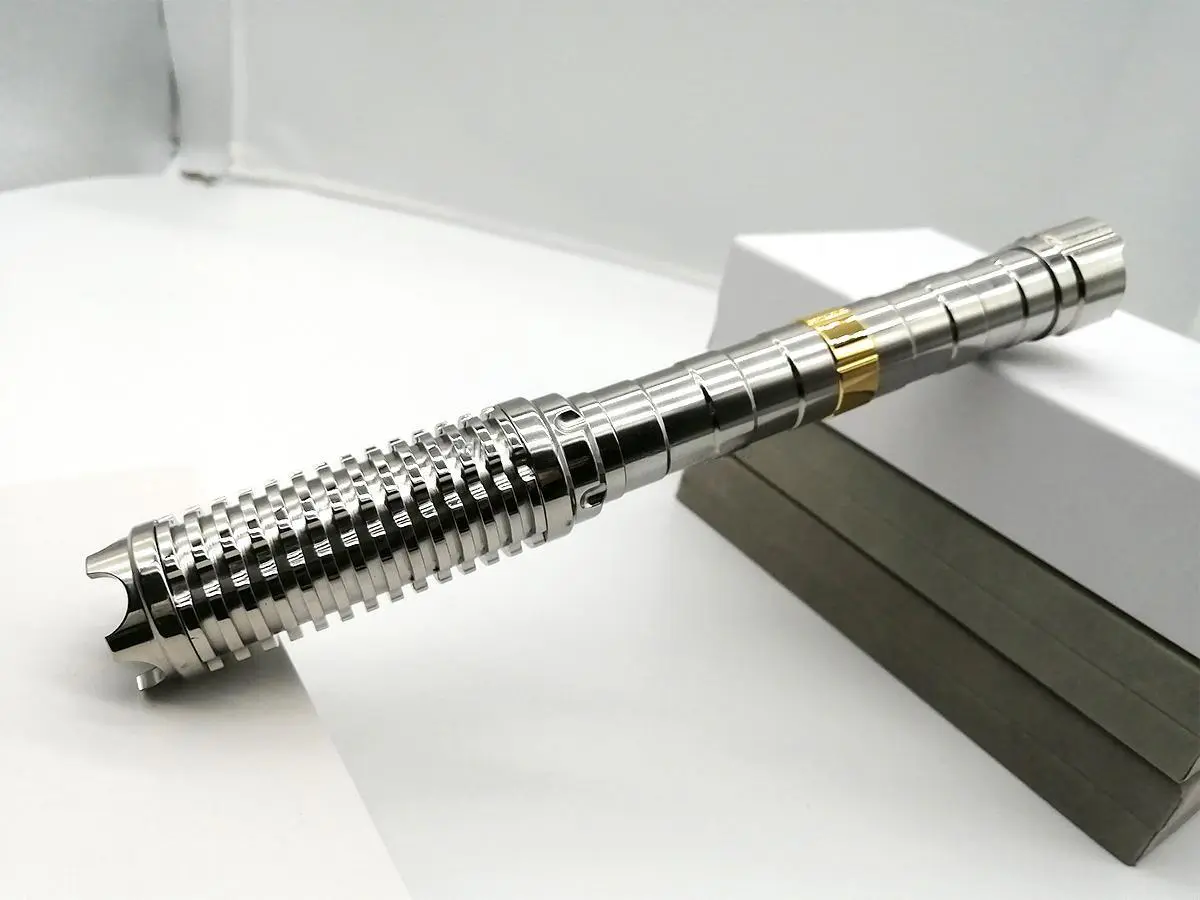
When people search for the strongest handheld laser pointer, they usually imagine one thing:
A laser so powerful it can burn, reach miles, and dominate anything in its class.
But here’s the reality:
Most “strongest laser” claims online are misleading, exaggerated, or outright fake.
This guide breaks down what “strongest” actually means, why many advertised specs are unreliable, and what experienced users really care about before buying a high-power laser.
What Are You Really Looking For?
From analyzing real user discussions (Reddit, LaserPointerForums), people searching this keyword usually fall into three groups:
- Buyers → Want the most powerful laser for burning or long-distance use
- Curious users → Wonder how powerful handheld lasers can get
- Skeptical users → Trying to avoid fake “50,000mW” scams
The problem is:
These goals are often based on a misunderstanding of how lasers actually work.
The Biggest Myth: “Strongest” = Highest mW
This is the #1 mistake.
Sellers often push one metric:
- Output power (mW)
But in real-world performance, power alone is not enough.
What Actually Defines a “Strong” Laser?
A truly powerful handheld laser depends on:
- Stable output power (not peak spikes)
- Beam quality (divergence & focus)
- Thermal management
- Wavelength efficiency (visibility vs energy)
For example:
- A poorly built “10W” laser with bad optics may perform worse than a stable 3W laser with good beam focus
If you don’t understand this, you will overpay for numbers that don’t translate into performance.
👉 If you need a deeper breakdown of how laser power actually works, see:
https://laserpointerhub.com/blog/laser-pointer-power-guide-mw-meaning
Why Many “High-Power” Claims Are Fake
If you’ve seen listings like:
- “50,000mW laser pointer”
- “burn anything instantly”
You’re not alone.
The Reality
According to industry and regulatory sources:
-
The U.S. FDA limits consumer laser products to 5mW for general use
👉 https://www.fda.gov/radiation-emitting-products/home-business-and-entertainment-products/laser-products-and-instruments
Safety First: High Power Means Real Risk
Before using any high-output laser, it’s critical to understand the risks.
According to the FDA’s official guidance on laser products:
https://www.fda.gov/radiation-emitting-products/home-business-and-entertainment-products/laser-products-and-instruments
Class III and Class IV lasers can cause immediate eye injury and should never be pointed at people, animals, or reflective surfaces.
What Experienced Users Say
From forums:
- “Most eBay lasers are nowhere near advertised power”
- “Stability matters more than peak output”
- “Cheap builds overheat in seconds”
This is why blindly chasing “highest mW” is a losing strategy.
Brightness vs Power: Another Common Trap
Many users assume:
Brighter beam = stronger laser
This is wrong.
Wavelength Changes Everything
-
Green lasers (520–532nm)
→ Appear brighter to the human eye -
Blue lasers (450nm)
→ Carry more energy, better for burning
This is due to how human vision works—not actual power.
So:
- A green laser may look stronger
- A blue laser may perform stronger
What Actually Makes a Laser “Strong” in Real Use
Let’s strip away marketing and focus on real performance factors:
1. Beam Focus & Divergence
A tight beam concentrates energy.
- Better burning ability
- Longer effective distance
2. Thermal Design
High-power lasers generate heat quickly.
- Poor designs → rapid power drop
- Good designs → stable output
3. Build Quality
Materials matter:
- Aluminum / stainless steel → better heat dissipation
- Cheap plastic → unstable performance
4. Diode Quality (Critical)
High-end diodes (e.g., Nichia) offer:
- Better beam consistency
- Longer lifespan
- More accurate output
Safety Reality: This Is Not a Toy
High-power handheld lasers are not consumer gadgets.
According to OSHA laser safety guidelines:
👉 https://www.osha.gov/laser-hazards
- Class 3B and Class 4 lasers can cause instant eye damage
- Reflections can still be dangerous
- Skin exposure can cause burns
If you’re considering a high-power unit, read this first:
https://laserpointerhub.com/blog/the-complete-guide-to-laser-pointer-safety-protecting-eyes-kids-pets-and-more
So… What Should You Actually Buy?
Instead of chasing fake numbers, focus on:
- Verified output stability
- High-quality diode
- Solid thermal design
- Real user feedback
Example: Balanced High-Power Blue Laser
A model like this focuses on real performance over inflated specs:
👉 https://laserpointerhub.com/p-B022.html
Key characteristics:
- 450nm blue wavelength (efficient energy delivery)
- Nichia diode (trusted consistency)
- Metal construction for heat control
- Comes with safety goggles (not optional at this level)
This is closer to what experienced users consider “strong”—not just big numbers.
What About Green Lasers?
Green lasers are often misunderstood.
👉 https://laserpointerhub.com/p-B020.html
- Extremely visible over long distances (up to ~10KM)
- Better for pointing, signaling, astronomy
- Not optimized for burning like blue lasers
This is a different definition of “strong”:
Visibility strength vs energy strength
The G019 offers both in one host: a 4W blue for energy strength or a 2W green for visibility strength, plus a transparent beam tube that turns either into a lightsaber-like display.
The Real Definition of “Strongest”
After cutting through all the noise:
The strongest handheld laser is NOT the one with the highest advertised mW.
It’s the one that delivers:
- Stable real output
- Efficient beam focus
- Reliable thermal performance
- Accurate engineering (not fake specs)
Final Takeaway
If you remember one thing, make it this:
“Strongest” is a marketing word. Performance is what actually matters.
Most buyers lose money because they chase numbers.
Smart buyers:
- Understand how lasers work
- Ignore exaggerated claims
- Choose based on real-world performance
That’s the difference between owning a gimmick and owning a tool.
FAQ (Quick Reality Checks)
Q: What is the strongest handheld laser legally available?
A: In many regions, consumer-safe lasers are limited to low power (~5mW). Higher-power units fall into hazardous classes.
Q: Are 50,000mW laser pointers real?
A: In most cases, no. These are exaggerated or mislabeled.
Q: Is blue or green stronger?
A: Blue = more energy (burning). Green = more visible.